
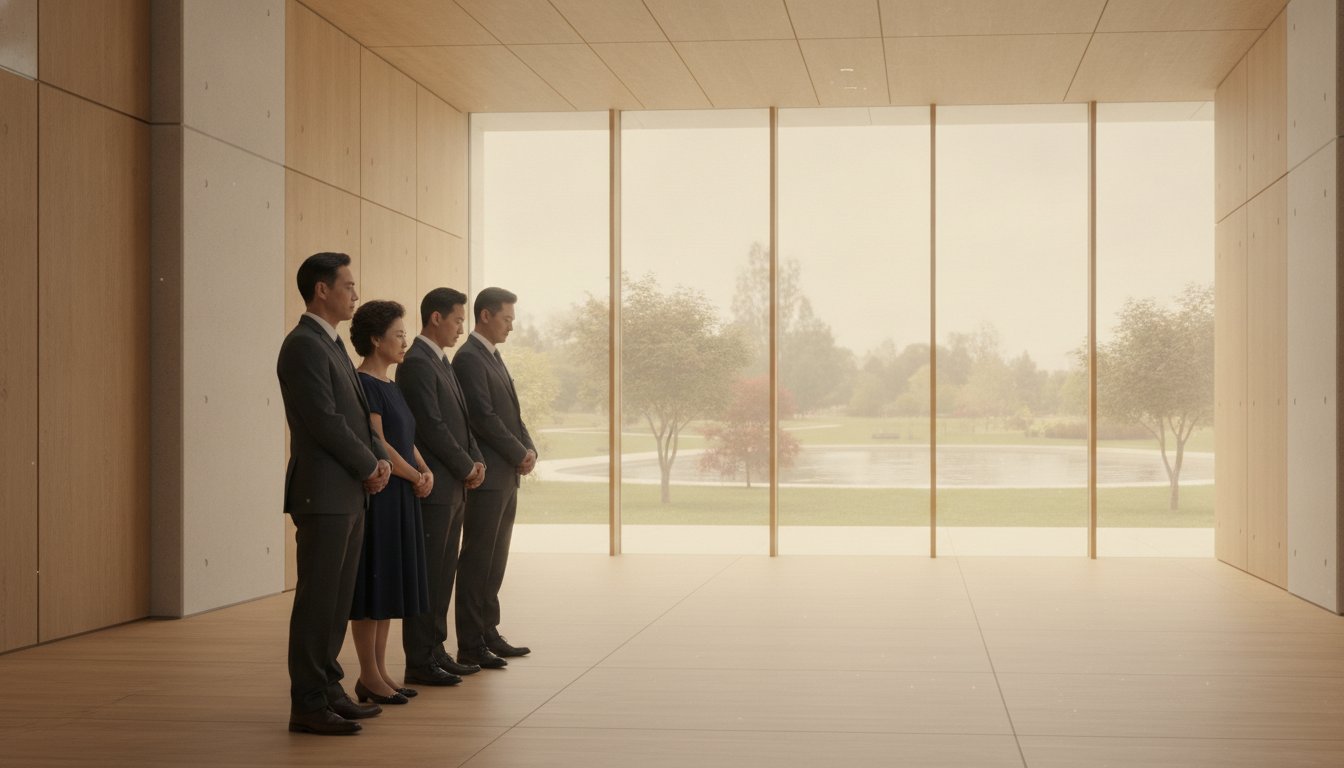
Imagine standing in a quiet room filled with the scent of incense and the soft murmur of family, yet feeling a sudden, heavy weight of uncertainty about whether you're bowing at the right moment or offering the proper gesture of respect. It's a common worry for many families today. You want to honor your loved one's legacy with perfect sincerity, but the intricate details of traditional korean funeral customs can feel overwhelming when you're already navigating the fog of early grief.
We understand that the pressure to get every ritual right, from the three day timeline to the specific way you present condolence money, can add unnecessary stress to an already difficult journey. This guide serves as a compassionate companion to help you bridge the gap between ancient ancestral duties and the practical realities of life in Orange County in 2026. We'll walk you through the essential mourning etiquette, explain the significance of traditional bows, and provide a clear plan for a service that feels both culturally authentic and deeply personal. By the end of this article, you'll have the knowledge needed to honor your traditions with confidence, dignity, and peace of mind.
Key Takeaways
- Understand the foundational role of Hyo (filial piety) and how it shapes the traditional three-day mourning period to honor a life well-lived.
- Learn the specific responsibilities of the Sangju, or chief mourner, and the cultural significance of wearing traditional mourning attire.
- Discover how to harmonize ancient principles like feng shui with modern California options when choosing between burial and cremation.
- Gain practical guidance on the delicate etiquette of korean funeral customs, including the proper way to label and present condolence money.
- Find out how professional coordination with local memorial parks like Forest Lawn and Rose Hills can help you maintain cultural integrity without the stress of managing every detail alone.
What Are Traditional Korean Funeral Customs?
Korean funeral customs represent a beautiful, intricate tapestry woven from centuries of spiritual history. These rituals aren't just about saying goodbye; they're a way to ensure the soul's peaceful transition while honoring the family's lineage. Most traditions we see today are a harmonious blend of Confucian discipline, Buddhist mindfulness, and ancient Shamanistic beliefs. While many of these practices began in the villages of the peninsula, they've traveled across the Pacific to places like Buena Park and Fullerton, where families continue to find comfort in their familiar rhythm.
The Core Value of Filial Piety (Hyo)
At the heart of every ritual lies the concept of Hyo, or filial piety. Hyo is the foundational pillar of Korean mourning, representing the deep-seated duty and love children owe to their parents even after they've passed away. Honoring parents through a meticulous and respectful funeral is considered the ultimate act of devotion. This value shapes the entire service, as the family doesn't just attend the funeral; they actively steward every moment of it. From the way they greet guests to the specific placement of food offerings, every action is a testament to the life and legacy of the person they've lost.
The Symbolism of the Three-Day Process
Historically, Traditional Korean Funerals follow a specific three-day timeline. This period allows the family sufficient time to process their grief while performing necessary rites that guide the deceased. This structured approach helps ensure that no part of the farewell feels rushed or incomplete.
- Day 1: The journey begins with the preparation phase. This involves the washing of the body and the setting up of the wake, where family members begin to receive visitors and offer incense.
- Day 2: This is often the most emotional day, featuring the Seongbok, or the formal wearing of mourning clothes. It's also when the encoffining takes place, a sacred moment where the family sees their loved one for the final time before the casket is closed.
- Day 3: The process concludes with the Bal-in, the funeral procession. This is the final farewell as the deceased is moved from the funeral hall to their final resting place.
While the modern world moves quickly, these three days provide a structured space for reflection and communal support. In California, families often adapt these timelines to meet local regulations or work schedules, yet the spirit of the three-day journey remains a vital part of the healing process. Understanding these korean funeral customs helps families feel grounded, ensuring that even in a new land, the ancient bonds of respect and love remain unbroken.
Key Rituals and Stages of a Korean Service
While the three-day timeline provides a structural framework, the specific rituals performed during that time give the family a tangible way to express their sorrow and respect. In the context of korean funeral customs, every action serves a purpose, guiding the spirit and offering comfort to the living. These stages are not merely chores; they're sacred milestones that help bridge the gap between the physical and spiritual worlds. In modern settings across Buena Park and the surrounding areas, these traditions have moved from the family home into specialized facilities that can accommodate the unique needs of the community.
The Role and Responsibilities of the Sangju
The Sangju, or chief mourner, holds the most significant responsibility during the service. Traditionally, this role falls to the eldest son. He acts as the pillar of the family, standing as the primary representative to greet guests and lead the rituals. It's a physically and emotionally demanding duty. The Sangju remains at the memorial altar for the duration of the wake, rarely leaving the side of the deceased.
During the Seongbok, which usually occurs on the second day, the family officially dons their mourning attire. While traditional hemp clothing was once the standard, many modern families choose black suits or simple hanboks. You'll often see the Sangju wearing a specific armband. A double-striped armband typically identifies the chief mourner, while single stripes are worn by other close male relatives. This visual marker helps guests immediately identify who to offer their deepest condolences to upon arrival.
Understanding Jesa and Ancestral Memorials
Central to the service is the memorial altar, or Gok-seong. This space is carefully curated to focus the family's energy and love. At the center sits a portrait of the deceased, often framed by white chrysanthemums, which symbolize grief and truth in Korean culture. The arrangement of the altar is precise. It features incense burners, candles, and specific food offerings known as Jesa. These Korean funeral rites vary slightly between families, but the core intention remains the same: providing for the spirit's journey.
Food offerings often include fresh fruit, rice, and traditional wine. Each item is placed with intention, serving as a symbolic meal for the loved one. Guests will approach the altar, light a stick of incense, and perform two deep bows to the portrait followed by a half-bow to the family. This rhythmic exchange of respect creates a calm, meditative atmosphere. If you feel unsure about these steps, a compassionate guide can help you coordinate a Korean funeral package that honors every tradition with the dignity your loved one deserves. These rituals ensure that the spirit is never alone and that the family is surrounded by the strength of their community.
Navigating Korean Burial and Cremation Traditions in California
While the heart of korean funeral customs lies in the rituals of the wake, the final resting place remains a decision of profound spiritual weight. Traditionally, Korean families held a strong preference for burial, viewing the return to the earth as a final act of harmony. However, the landscape in California has shifted significantly over the years. Today, 7 out of 10 Californians choose cremation, a trend that has led many Korean-American families to find new, meaningful ways to honor their ancestors while respecting modern practicalities.
This choice often involves the principles of pungsu-jiri, or Korean geomancy. It is the belief that the physical location of a grave influences the well-being and prosperity of future generations. Families look for sites with specific energy, often favoring elevated ground or specific orientations that suggest peace and stability. Balancing these ancient requirements with modern cemetery availability requires a steady, experienced hand to ensure every detail aligns with the family's vision.
Coordination with Forest Lawn and Rose Hills
Many families in our community find peace of mind at established locations like Forest Lawn or Rose Hills. These memorial parks offer beautiful, serene settings that align well with traditional values. Working with a provider who understands the specific graveside requirements of these parks is essential for a seamless experience. They can manage the intricate logistics of incense use, flower arrangements, and the specific timing of the burial service. Having a guide who is familiar with the local landscape is a vital part of planning a Korean funeral in California. This expertise ensures that the family can focus on their journey of reflection while the technical details are handled with reverence.
Modern Adaptations: Cremation and Ash Placement
For those choosing cremation, the process is approached with the same level of ceremony as a burial. A witnessed cremation allows family members to be present as the process begins, offering a sense of closure and ensuring their loved one is never left alone during this transition. This modern adaptation provides a bridge between tradition and current reality. Once the process is complete, the remains are often placed in a bong-an-dang, or a dedicated columbarium niche. These spaces allow for the placement of a portrait and small mementos, creating a permanent memorial that family can visit for years to come. Selecting an urn that reflects cultural dignity is another way families maintain the sacred nature of these korean funeral customs in a modern world. This path offers a sense of permanence and peace, ensuring the legacy of the deceased is preserved with the highest level of respect.

Etiquette and Attire: What to Expect When Attending
Walking into a funeral hall can feel daunting if you're unfamiliar with the specific expectations of the community. However, korean funeral customs are designed to provide a structured way for friends and neighbors to share the family's burden of grief. These traditions offer a clear path for showing respect, ensuring that your presence provides comfort rather than causing worry. Whether you're a close friend or a distant relative, following these simple protocols allows you to participate fully in the healing process.
Condolence Money (Jo-uigeum) and Bowing Rituals
One of the first things you'll notice upon arrival is a desk where guests sign a registry and offer Jo-uigeum, or condolence money. This gift helps the family cover the costs of the three-day service and is a practical expression of communal support. Traditionally, these gifts are given in odd-numbered amounts, such as $50, $70, or $100, as odd numbers are considered auspicious in Korean culture. You should place the cash in a white envelope, often with your name written vertically on the back.
After signing in, you'll proceed to the altar to pay your respects. The ritual involves lighting a single stick of incense or placing a white chrysanthemum on the altar. Most guests then perform two deep bows, followed by a final half-bow toward the portrait of the deceased. The bow is an act of deep reverence, not worship. Once finished, you'll turn to the family and perform one deep bow to the Sangju to acknowledge their loss. If your personal faith traditions don't include bowing, a respectful moment of silence with a deep head bow is an acceptable and understood alternative.
Attire and Behavior for Guests
When choosing what to wear, prioritize modesty and sobriety. Men typically wear dark suits with white shirts and dark ties. Women should opt for conservative, dark-colored dresses or suits, avoiding bright colors, bold patterns, or excessive jewelry. You might notice female family members wearing a small black ribbon in their hair. This is a traditional marker of their status as mourners.
After paying your respects at the altar, it's customary for guests to stay for a meal provided by the family. This is a vital part of the korean funeral customs, serving as a way for the family to thank you for coming. You'll often be served Yukgaejang, a spicy beef soup, which is believed to provide energy to those who are mourning. Use this time to share quiet memories of the deceased and offer gentle words of comfort to the family. If you're helping a friend or family member plan these details, our team can help you coordinate a Korean funeral package that respects every nuance of these traditions. This communal gathering ensures that no one has to walk through the valley of grief alone.
How Sunnyside Cremation Supports Korean Families in Buena Park
At Sunnyside Cremation and Funeral, we believe every farewell should be as unique as the life it honors. We recognize that for our local community, upholding korean funeral customs isn't just about following a checklist; it's about preserving a sacred connection between generations. Our role is to act as a steady, reliable guide, handling the complex logistics of the three-day timeline so you can focus on the emotional journey of saying goodbye. We provide a calm presence. This structural clarity helps reduce the burden on your family, ensuring every detail is managed with reverence and care.
Specialized Korean Funeral Packages in Orange County
Our specialized Korean funeral package is designed with a deep understanding of the specific rituals that define your heritage. Whether your family observes Buddhist traditions, Christian rites, or a blend of modern and ancestral practices, we provide the expertise needed to ensure every detail is correct. We offer direct assistance with setting up the memorial altar, sourcing traditional mourning garments, and coordinating the encoffining ceremony with the reverence it deserves.
Because we frequently work with local memorial parks like Forest Lawn and Rose Hills, we can manage the specific graveside requirements and timing necessary for a seamless transition from the service to the final resting place. This local expertise allows us to anticipate needs before they arise, preventing the stress of last-minute adjustments. We understand the importance of the Sangju's role and work quietly in the background to ensure they have everything required to lead the family through the mourning process with dignity.
Pre-Planning for Cultural Preservation
Planning a funeral is a profound responsibility, and doing so in the midst of grief can feel overwhelming. This is why we emphasize the importance of funeral pre-planning for Asian families. By arranging details in advance, you ensure that your specific wishes regarding Jesa and other ancestral memorials are documented and respected exactly as you envision. It's a way to safeguard your legacy and ensure that future generations understand the values that shaped your life.
Pre-planning also provides significant financial and emotional peace of mind. It acts as a final gift of love to your children, removing the burden of difficult decisions during a time of loss and providing them with a clear, respectful path to follow. Our team is here to listen, to advocate for your heritage, and to provide a calm presence during life's most vulnerable moments. If you're ready to begin this conversation, we invite you to Contact our compassionate team for a consultation to learn more about how we can help your family honor its legacy with dignity and peace.
Honoring Your Loved One’s Legacy with Dignity
Honoring a loved one through traditional korean funeral customs is a profound act of love that bridges the past with the future. We've explored the deep significance of filial piety, the structure of the three-day mourning period, and the ways families in Orange County can adapt these sacred rituals to modern settings. Whether you're coordinating a traditional burial or a witnessed cremation, the goal remains the same: ensuring a peaceful transition and a lasting legacy.
As a family-owned mortuary with deep community roots, we're here to serve as your steady guide. We provide professional coordination for three-day rites and specialized cultural support at local memorial parks like Forest Lawn and Rose Hills. You don't have to navigate these complex decisions alone. Our team is dedicated to handling every logistical detail with the reverence and gentle care your family deserves.
View our dedicated Korean Funeral Packages in Orange County
Take comfort in knowing that your heritage is in capable, compassionate hands. We're here to help you create a farewell that truly honors the life and spirit of those you hold most dear.
Frequently Asked Questions
How much condolence money is appropriate for a Korean funeral?
A typical gift starts at $50 or $70 for acquaintances, while close friends and family members often give $100 or more. These amounts should always be in odd numbers, such as 5, 7, or 10 (multiplied by ten), as odd numbers are considered auspicious and balanced in Korean tradition. You'll place the cash in a white envelope and present it at the reception desk when you sign the guest registry.
Why do people bow to the deceased at a Korean funeral?
Bowing is a profound gesture of respect and a way to offer a final, silent goodbye to the departed soul. It's a central part of korean funeral customs that acknowledges the person's life and their transition to the next world. Usually, guests perform two deep bows to the portrait at the altar. This act isn't religious worship; it's a cultural expression of high honor and filial piety.
What should a non-Korean guest wear to the service?
Non-Korean guests should wear conservative, dark-colored attire, such as a black or charcoal suit for men and a dark dress or slacks for women. It's best to avoid bright colors, flashy patterns, or heavy jewelry, as these can be seen as disrespectful in such a solemn environment. The goal is to blend in quietly, showing your support through a modest and dignified appearance that respects the family's grief.
Is cremation acceptable in Korean culture?
Cremation is widely accepted and has become the preferred choice for many modern Korean-American families. Research shows that 7 out of 10 Californians now choose cremation over burial, a trend reflected in the Korean community as well. Many families choose a "witnessed cremation" to maintain a sense of presence and ceremony, ensuring their loved one is honored with the same level of care as a traditional burial.
What is the significance of the three-day mourning period?
The three-day timeline provides a structured space for the family to process their initial shock while performing essential rites like the encoffining and the final procession. It allows the community to gather, share meals, and offer support to the chief mourner. This period ensures that the farewell isn't rushed, giving the spirit a peaceful transition and providing the living with a clear, supportive path toward healing.
Can we hold a traditional Korean service at a modern Orange County funeral home?
You can certainly hold a traditional service in a modern facility, provided the staff understands the specific needs of korean funeral customs. Many local homes are now equipped to handle incense use, traditional altar setups, and the large number of guests expected for the wake. Working with a provider who has experience with these rituals ensures that your cultural heritage is protected and honored within a contemporary setting.
What is the role of the chief mourner (Sangju)?
The Sangju, typically the eldest son, acts as the primary representative for the deceased's family. His role is to stay by the altar, greet every guest with a respectful bow, and lead the various rituals throughout the three-day period. It's a position of great responsibility that requires emotional strength, as he serves as the steady anchor for the entire mourning community during their time of loss.
Are there different customs for Korean Christian vs. Buddhist funerals?
While the core values of respect remain the same, the specific rituals vary between faiths. A Buddhist service often includes incense, chanting, and specific food offerings at the altar. In contrast, a Christian service usually features hymns, scripture readings, and prayers led by a pastor. Regardless of the religious path, the cultural emphasis on family gathering, bowing, and sharing a communal meal remains a consistent and vital thread.


